

Finding Direction Through Mentorship: NAF Alumni Reflection
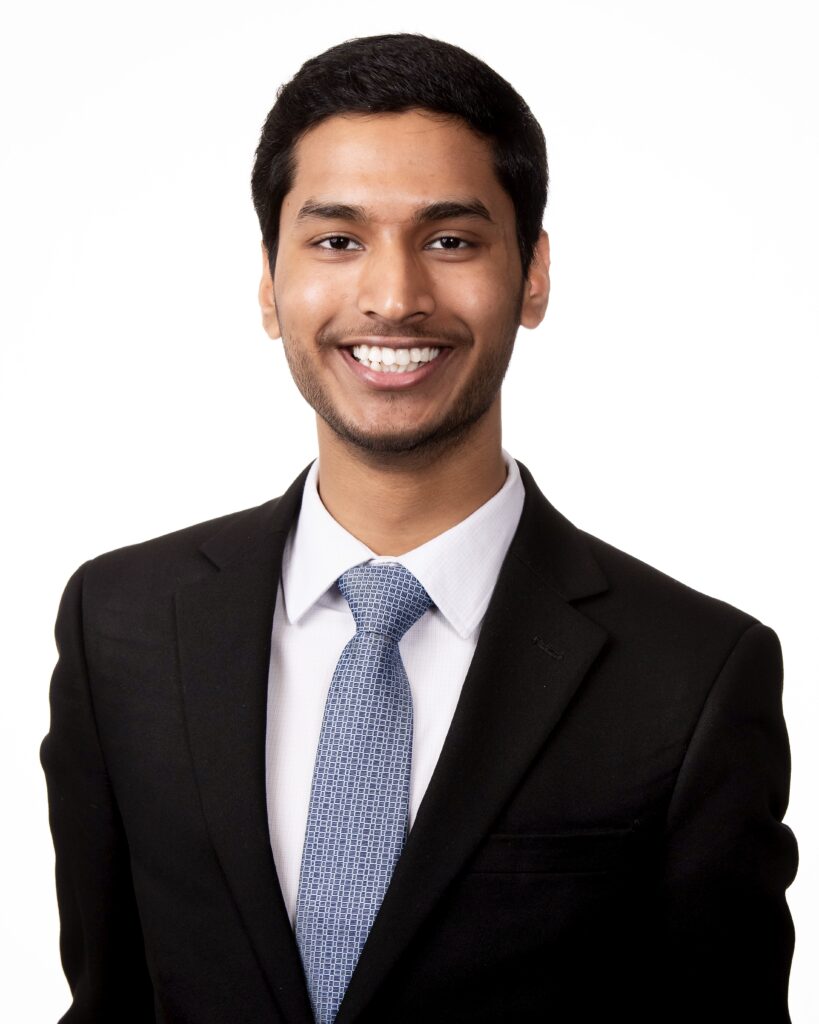
In honor of National Mentoring Month this January, NAF Alumnus, Manish Kumar, shares his story below about why mentoring matters.
During my transition from the High School of Economics & Finance to Baruch College in New York, I landed my first internship at Verizon through NAF. It was my first time entering a professional setting and everything felt new. Through that role, I was paired with a mentor who checked in with me every week and helped me understand how to actually make the most of the experience. She taught me how to ask thoughtful questions, speak up with confidence, and learn from ordinary day-to-day tasks. That support made the transition feel less overwhelming and became my first real introduction to how valuable mentoring can be.
That understanding continued to evolve once I entered college.
College brings a new kind of pressure. Students are expected to make long-term decisions, while still figuring out who they are. There is less structure and more uncertainty. Mentoring stopped being just about resumes and applications. It became about learning how to navigate ambiguity, build resilience and make impactful decisions.
When I joined NAF’s Alumni Mentorship Program, I hoped to gain career advice, but I was also looking for guidance on how to approach college itself. I wanted help understanding how to manage my time well, how to think about opportunities strategically and how to avoid feeling overwhelmed quickly. I was not looking for step-by-step instructions. I was looking more for perspective.
That is when I connected with my mentor, Sakib.
Sakib is a NAF alum with experience across finance, compliance and public service. He has worked across firms such as JPMorgan Chase, the International Trade Administration, the New York City Fire Department and the Metropolitan Transportation Authority’s Office of Inspector General. Currently, he works at Point72 and serves as a compliance associate. He is also pursuing a master’s degree in data science and quantitative economics at Fordham University.
What stood out to me immediately was the range of his experiences. Sakib did not follow a straight path. His career reflects curiosity and adaptability to explore different roles while building a strong foundation. That alone challenged my belief that success follows a single, linear path.
We met regularly, usually once a month. Soon, our conversations quickly became something I genuinely looked forward to. Our discussions were not limited to internships or jobs. We talked about how to stand out when resumes begin to look the same, how to communicate value without overselling yourself and how to stay intentional when faced with too many options.
One of the most helpful aspects of Sakib’s mentorship was his focus on thinking, not just doing. He encouraged me to slow down and reflect on why I was pursuing certain opportunities rather than chasing them out of pressure. He often reminded me that progress is not about moving fast, but about moving with a purpose in mind.
A theme that came up many times was authenticity. Sakib emphasized the importance of being yourself in professional conversations. That does not mean being casual or unprepared. It means being honest about your experiences, your interests and your learning process. That mindset helped me approach networking and interviews with less anxiety and more assurance. Conversations felt more natural and meaningful.
One question I think every mentee should ask their mentor is what they enjoy doing outside of work. It’s a simple way to connect on a more personal level and see your mentor as a person, not just a professional. Those conversations often make the relationship feel more genuine and uncover shared interests that make the connection stronger.
One piece of advice that stayed with me was around interviews. Sakib encouraged me to think of interviews as conversations rather than evaluations. He stressed the importance of asking compelling questions and paying attention to how interviewers respond. He explained that interviews are just as much about seeing if both sides are a good fit, as they are about showing your qualifications.
That perspective changed how I prepare. Instead of focusing solely on perfect answers, I began paying more attention to candidness and connection. I started thinking more critically about what roles actually aligned with my interests and long-term goals.
Another lesson that stood out was the importance of keeping mentoring relationships real. Sakib encouraged open dialogue rather than formal checklists. We talked about interests outside of work, daily routines and how to maintain balance. Those conversations made mentorship feel less intimidating and more sustainable. They also reinforced the idea that careers are built by people, not just by positions.
Throughout our mentorship, we focused on building transferable skills. Communication, critical thinking, adaptability and self-awareness were recurring topics. Sakib helped me reflect on how to talk about my experiences clearly and honestly. He also encouraged me to think beyond job titles when evaluating opportunities. What matters most, he explained, is the skill set you are building and the environment you are learning in.
What surprised me the most was how often I found myself applying what I learned. I began using Sakib’s advice in everyday situations, from preparing for interviews to reaching out to professionals and making academic decisions. Mentoring did not provide a formula. It helped reshape how I approach choices.
As a college student, mentoring now feels essential. The transition from structured classrooms to professional spaces can be overwhelming. There are fewer rules and unspoken expectations. Having guidance from someone who has navigated those times provides clarity.
Mentoring helps bridge the gap between academic learning and real-world decision-making.
Mentoring also helps to normalize uncertainty. Hearing honest stories about career pivots and setbacks made my own doubts feel manageable. It reinforced the idea that growth takes time and that not having all the answers is part of the process.
To my peers, I would say mentoring matters because it accelerates learning and builds confidence. It is not about collecting contacts or asking for favors. It is about building relationships with people who are willing to share their experiences and offer honest guidance.
Expanding your network is really about expanding your perspective.
NAF’s Alumni Mentorship Program gave me more than career advice. It offered support during uncertainty and confidence during transition. Mentoring helped me approach my future with intention rather than urgency. It reminded me that progress is personal and that guidance makes the journey more grounded and meaningful.
For students navigating college and early career decisions, mentoring is not optional. It is a powerful tool for growth.
My experience with NAF taught me a lot of lifelong lessons that I’m going to carry on with through my transition from college to a professional career. I’m interning at Wells Fargo this summer and I’m excited to use these skills during my time there.
Have questions about NAF’s Alumni Mentorship Program? Contact Susan Climan, Manager, Alumni Engagement, at scliman@naf.org.