

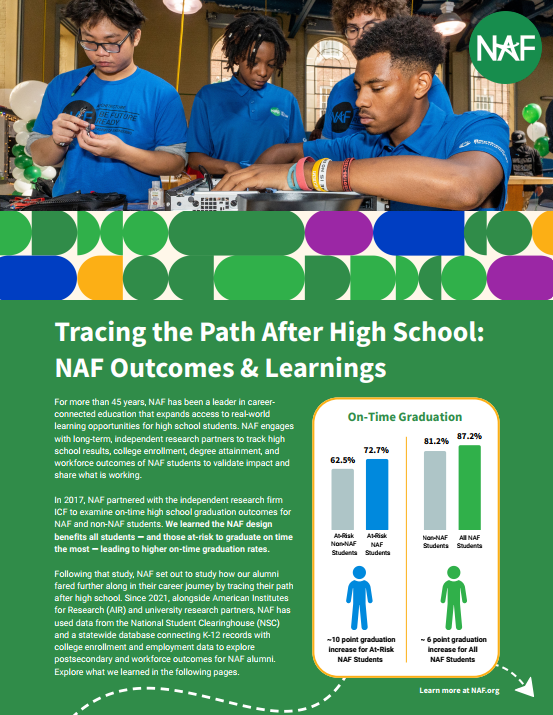
NAF's latest outcomes research shows career-connected education works. Students who complete internships, pathway coursework, or dual enrollment graduate at higher rates, enroll in college more often, and earn more in their first two years after high school.

Without a dedicated Work-Based Learning Coordinator, students miss life-changing career opportunities. Learn how NAF's policy recommendations and district best practices are expanding access to internships, job shadowing, and real-world learning for high school students.
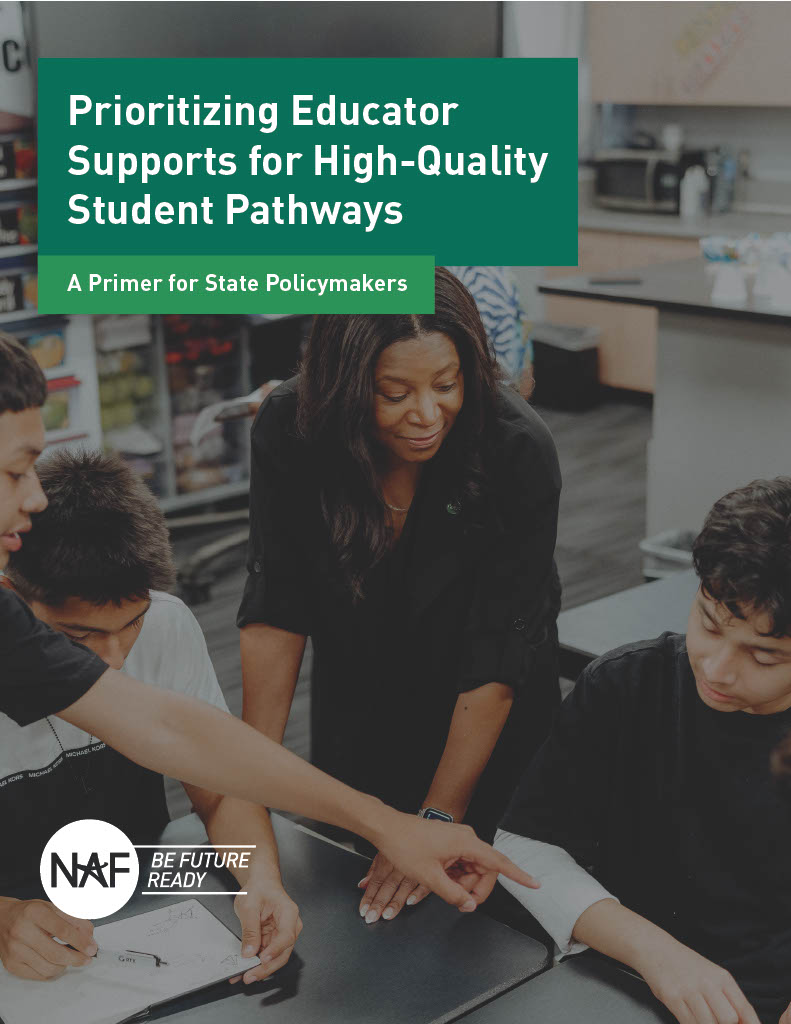
In this paper, NAF discusses the challenges educators face in supporting high-quality career pathways for learners and offers three priorities policymakers can address to help educators prepare students for long-term success in college and career.
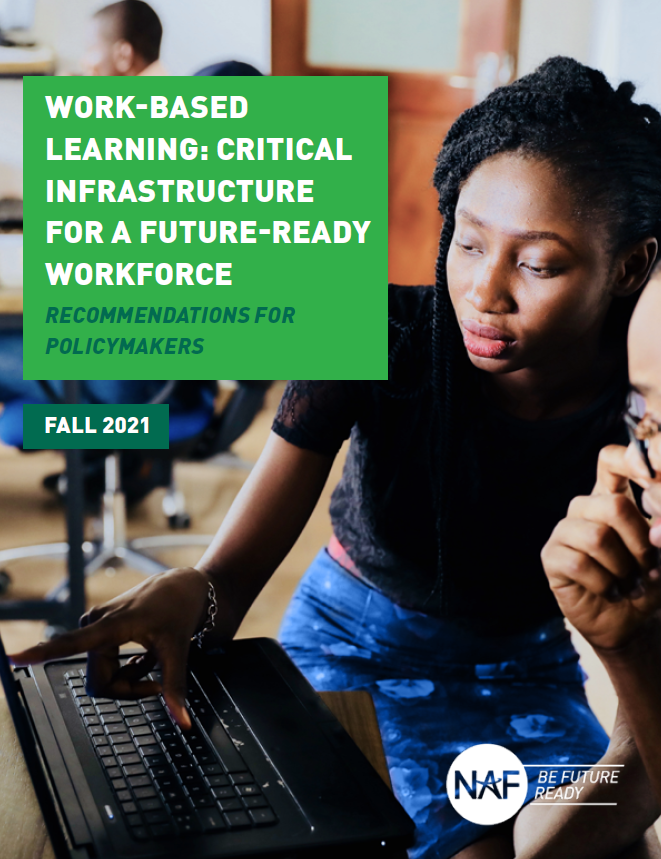
In this paper, NAF examines what comprises a high-quality work-based learning program, challenges to developing and expanding these programs, and recommendations for policymakers seeking to strengthen policies that support them.
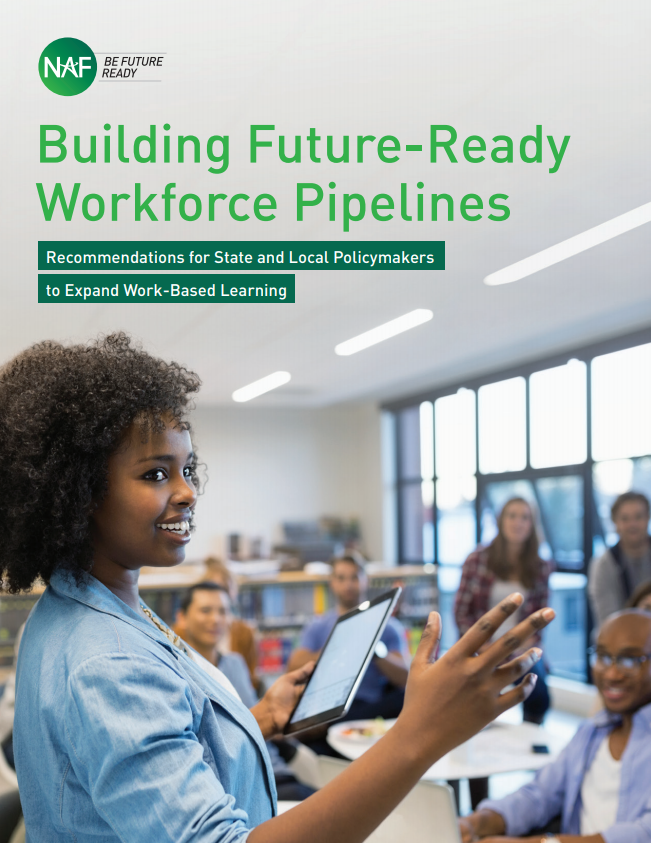
Young people who begin their careers without workforce skills and professional networks face longterm disadvantages in building rewarding careers, and this has consequences for talent pipelines and local economies
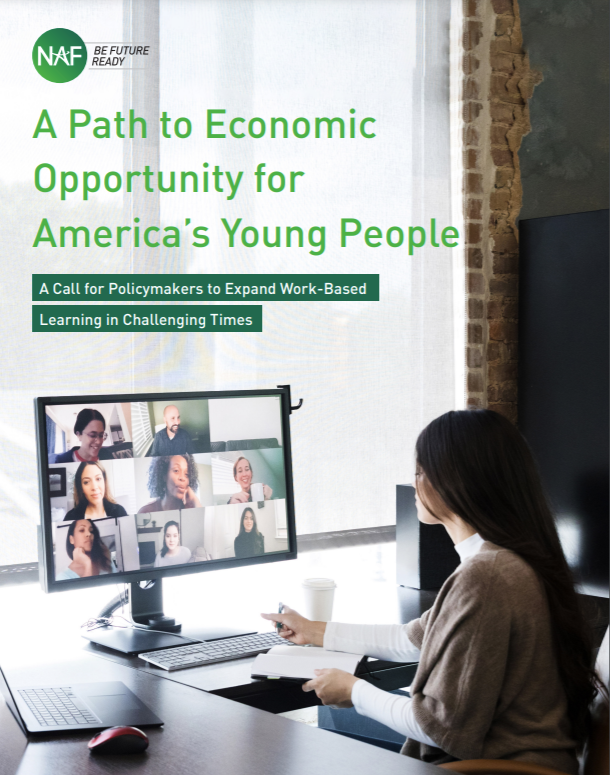
As national and state legislators seek to address the fallout from multiple crises caused by the COVID-19 pandemic, it is essential they consider the effects on current high school students and young people launching their careers in the coming years.
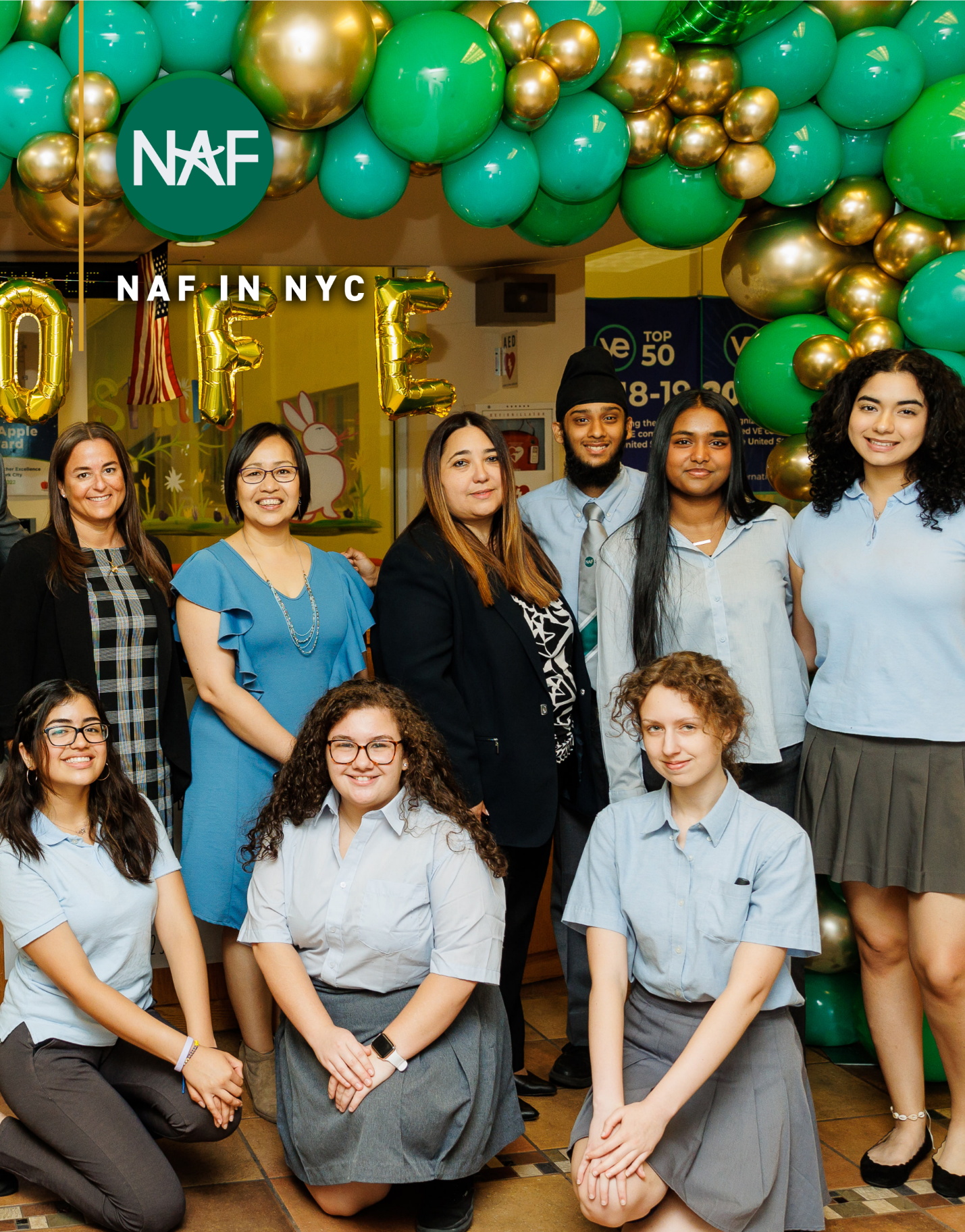
Explore how NAF is making a meaningful impact across New York City, supporting students with the skills and opportunities they need to succeed in high-demand careers and contribute to a stronger, more equitable workforce.