
How a High School Engineering Academy is Training the Next Generation of Innovators
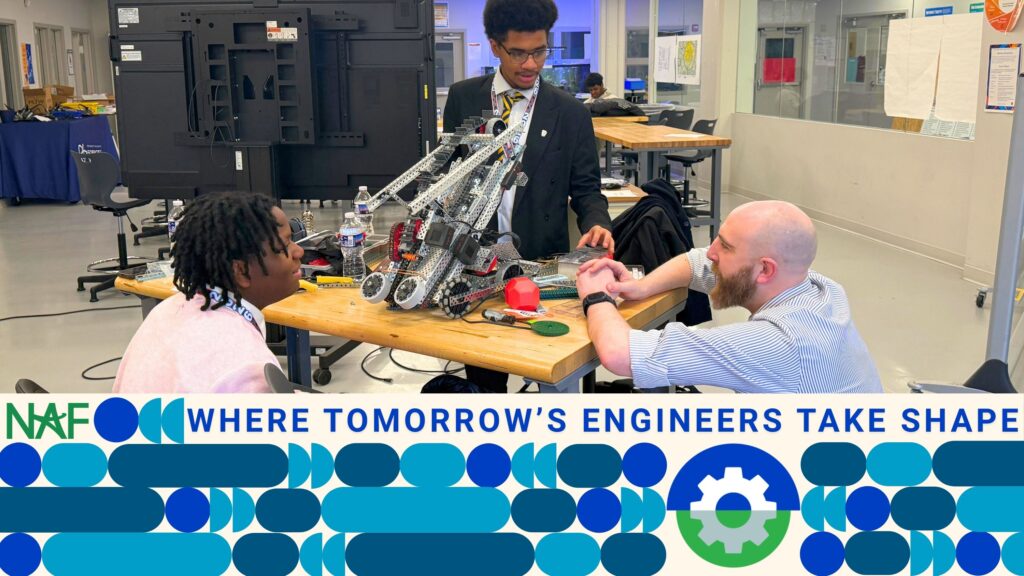
At Friendship Collegiate Academy in Washington DC, high school students aren’t just studying engineering — they’re earning college credits, pursuing commercial drone pilot’s licenses, and competing in national robotics championships. This career-connected learning is led by NAF educator, David Williams.
In NAF’s Academy of Engineering (AOE) pathway, classrooms feel more like innovation labs than lecture halls. Students pilot drones, design robots, tackle AI challenges, and compete in high-level STEM competitions — all while building the technical skills and resourceful “engineering mindset” that prepares them for both college and career.
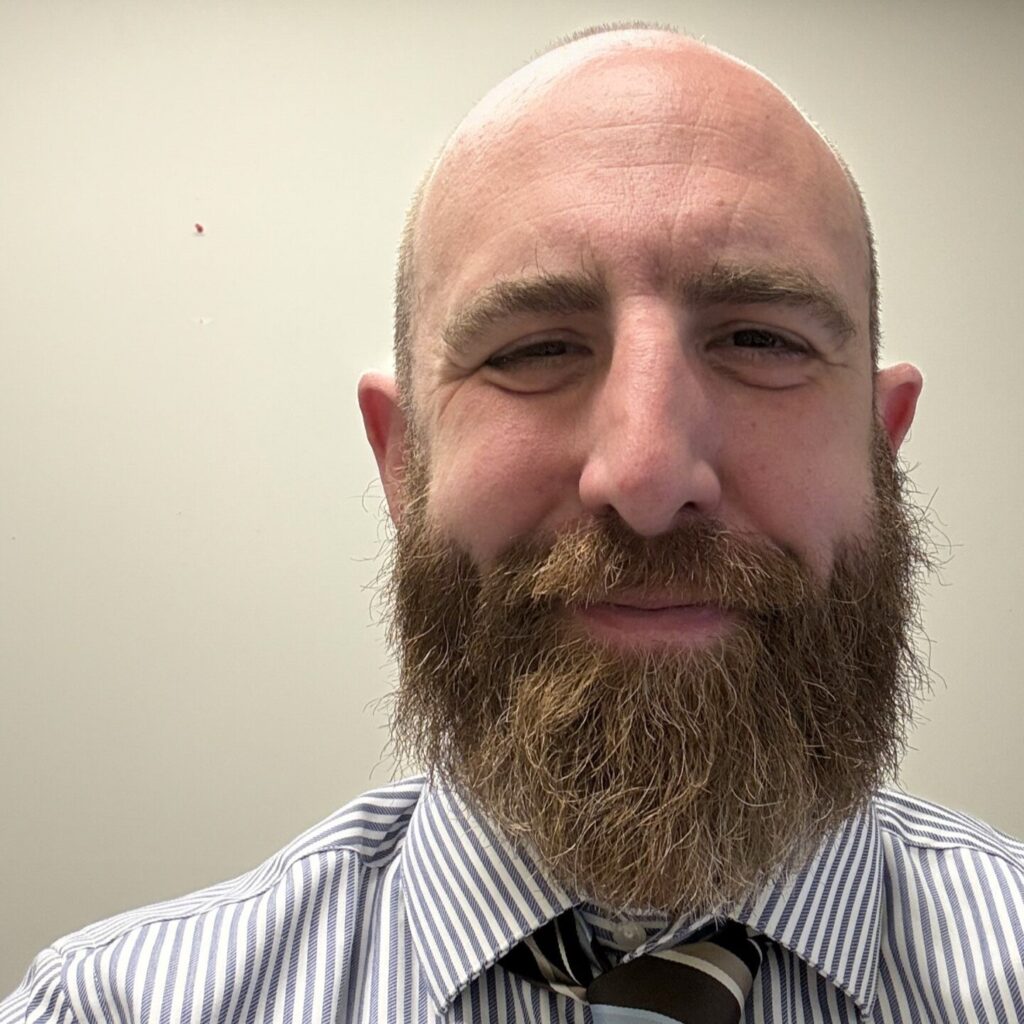
At Friendship Collegiate Academy High School in Washington DC, that mindset is shaped by NAF educator, David Williams. With a background in real-time systems, cybersecurity, strategic deployment, and more, Williams blends deep industry expertise with hands-on instruction. His students earn college credits, pursue commercial drone pilots’ licenses, compete in robotics competitions, and explore pathways ranging from aviation and engineering, to esports and skilled trades.
This National Engineers Week, Williams — who has spoken at the DC education committees for AI policy and coached students through the Future Engineers Tech-Rise Challenge with NASA — shares his unique journey and how his experiences are shaping the next generation of engineers.
From Industry to Classroom
Williams’ passion for technology began early. He studied computer science, English literature, psychology, and engineering in high school before earning a full scholarship and sponsorship from Hewlett Packard to study real-time systems programming.
After completing the academics for his undergraduate degree in just two years, Williams then worked full time while developing his dissertation. His career took him around the world, training engineers in emerging technologies, cybersecurity, and strategic deployment. Through that experience, he discovered passions for mentorship and professional development.
Also skilled in martial arts, Williams saw teaching as an avenue to combine his interests in technology and youth development. Now, more than 18 years later, he has taught in military-based boarding schools, as well as worked internationally in Thailand and Lebanese based schools, and continues to mentor students in Washington, DC — while maintaining his own martial arts practice in the evenings, continuing his interest in traditional martial arts.
Staying Ahead of Emerging Technology
Williams’ curiosity keeps his high school engineering classroom on the cutting edge. He took an early interest in 3D printing — before it became popular in schools — and has consulted for 3D printer designers and board game prototype developers to help bring new ideas to this technology and to help communities of designers realize their ideas.
As part of the NAF network, he stays closely connected to industry trends, continually adapting curriculum to reflect emerging technologies. That commitment ensures students are not just passively learning but are taking leadership and engaging with the tools and ideas shaping tomorrow’s workforce.
Career-Connected Courses That Create Real Opportunities
Williams teaches a range of dual-enrollment and career-connected courses designed to provide exposure to tangible pathways:
- Drone Piloting: Students study the drone flying industry, work toward their commercial drone pilots’ licenses, and even learn how to launch their own businesses while gaining 3 college credits.
- Principles of Computer Science: Students earn three college credits, building a foundation that can reduce future higher education costs — a key advantage of dual enrollment engineering programs at the high school level.
- Computing and Esports: Students explore the hardware, software, and business ecosystem behind esports — while competing and analyzing the growing computing industry.
These experiences position students for careers in aviation, software development, cybersecurity, digital media, entrepreneurship, skilled trades, and much more.
Beyond the Classroom: Competitions, Challenges, and Hands-On Learning
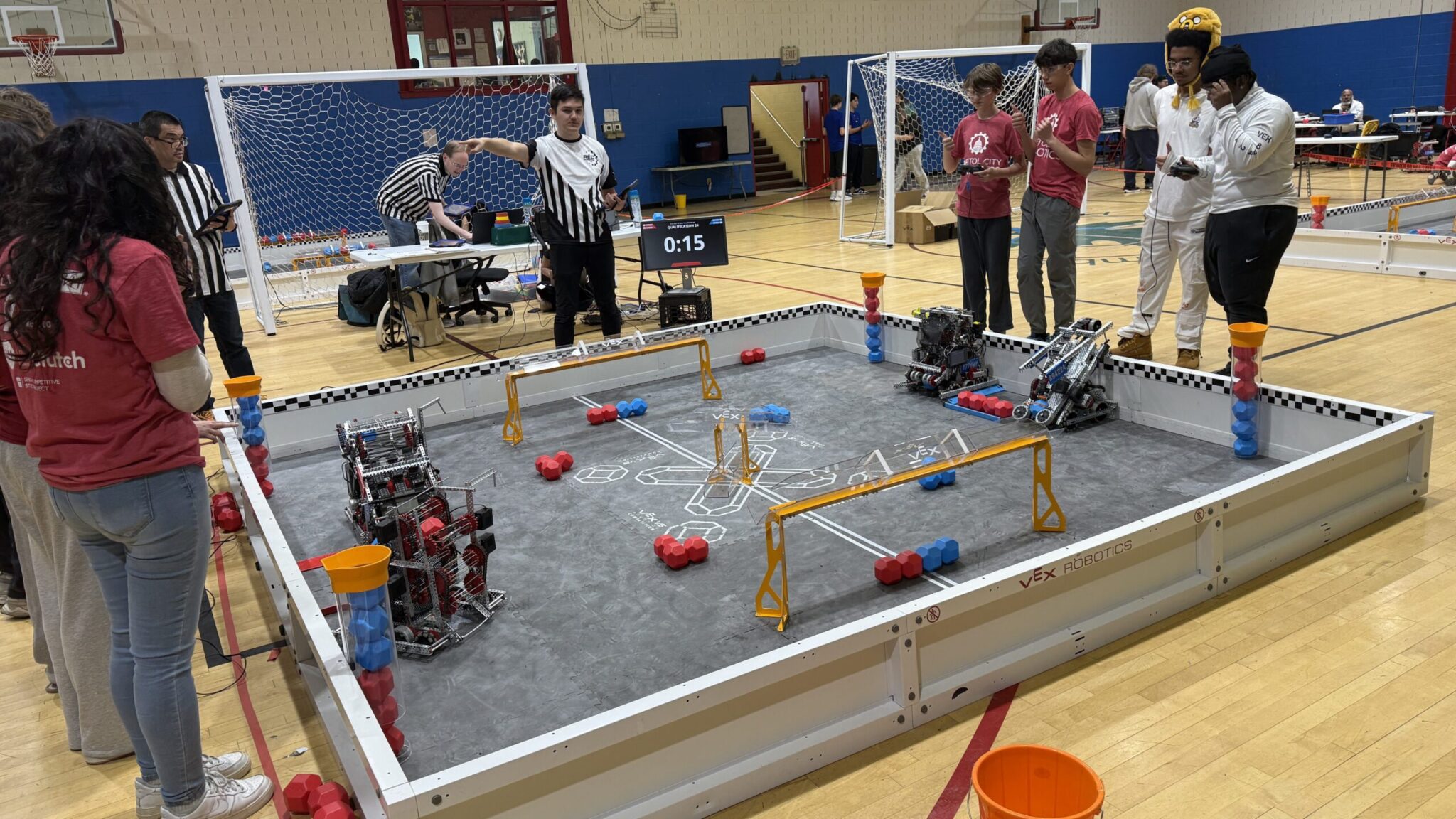
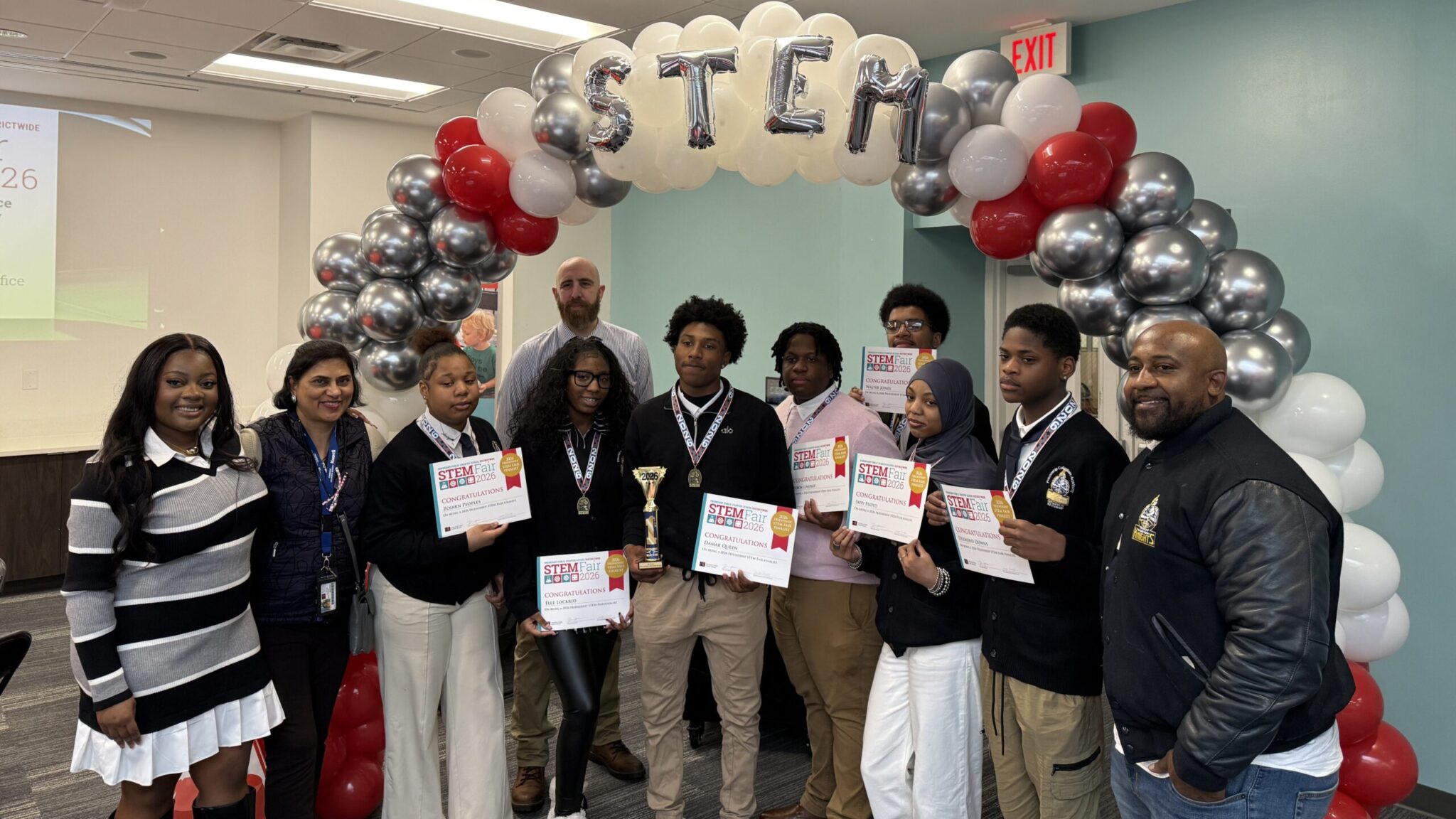
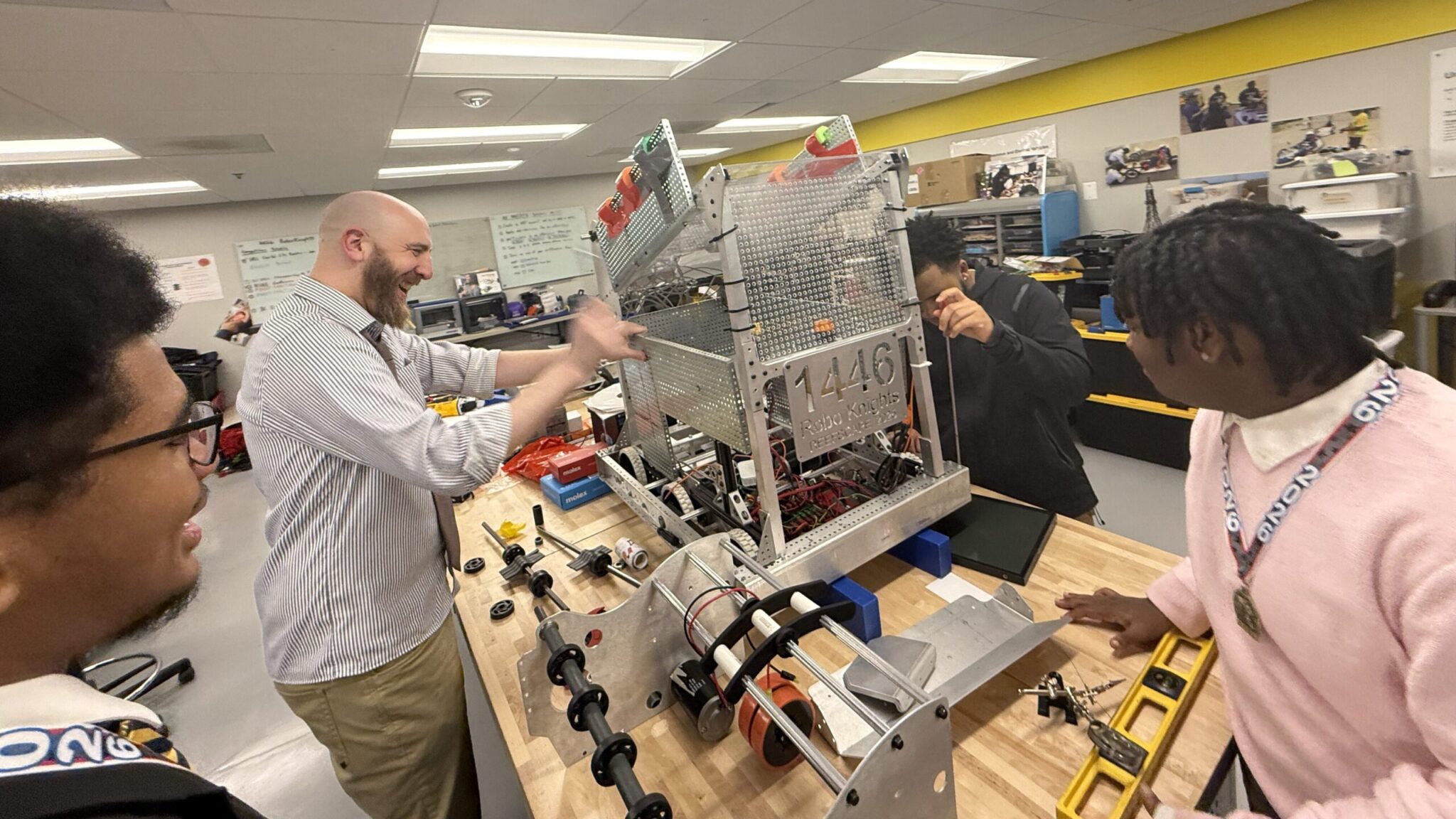
This time of year, is especially busy. Students prepare for VEX V5 qualifiers and state championships (with the school hosting again this year), build robots, and participate in the Electric Car Challenge.
They also attend events like BlerdCon and AwesomeCon, take part hands-on experiences and field trips — such as blacksmithing, intro to trade school through VR, aviation days, etc. — while also participating in National AI challenges and NAF’s KnoPro Challenges and Skillbuilders, just to name a few examples!
Competitions teach more than technical skills. When a motor overheated at a recent VEX robotics competition, students improvised by freezing it with compressed air can between rounds, an exercise in teamwork, quick thinking, and applied problem-solving.
Preparing High School Students for the Future of Engineering
As AI reshapes industries, Williams believes adaptability is essential. Instilling an engineering mindset — systematic, creative, and analytical — equips students to navigate change and challenges proactively.
He also sees renewed interest in trade schools and emphasizes that career pathways don’t have to be either/or. College and skilled trades can complement one another, and early exposure to both through a high school engineering program expands students’ options in the long run.
In his drone course, for example, students visit video production companies and industrial drone operators, grounding classroom learning in real-world applications and then visit colleges to learn about aviation pathways. Reflection time after each work-based learning experience helps deepen understanding and encourages students to really dig deep into what skills and lessons they have taken away for their futures.
Celebrating National Engineers Week
During National Engineers Week, students showcase drone flying demonstrations, electronics, robotics, computer science, and AI projects. Guest speakers — including representatives from local colleges with aviation and esports programs — highlight the robust pathways available in engineering.
Middle school students are invited to attend a hands-on learning day, creating a cycle of inspiration and community engagement that reinforces the academy’s mission of introducing engineering pathways early on to learners.
For Williams, the goal is simple: give students authentic real-world learning experiences, applicable credentials, and the resilient mindset to solve problems in any field they choose.
For more National Engineers Week content, highlights, and resources, keep up with NAF on social @NAFCareerAcads.