

Voices of Gen Z: A NAF Lens

For the past few years, Gallop and the Walton Family Foundation have surveyed nearly 3,800 Gen Zers for their Voices of Gen Z Study. The latest survey offers a mixed picture of how young people view their future: while students reported the highest levels of future preparedness since the survey started in 2023, only 56% said they felt prepared for their future. The survey also identified that students who experience engaging, relevant classroom experiences are significantly more likely to feel prepared for their future. However, at the same time, only 37% of students reported that their educators connect what they are learning with real-world application. This finding solidifies the persistent gap we know is present in our high schools – the gap between education and career.
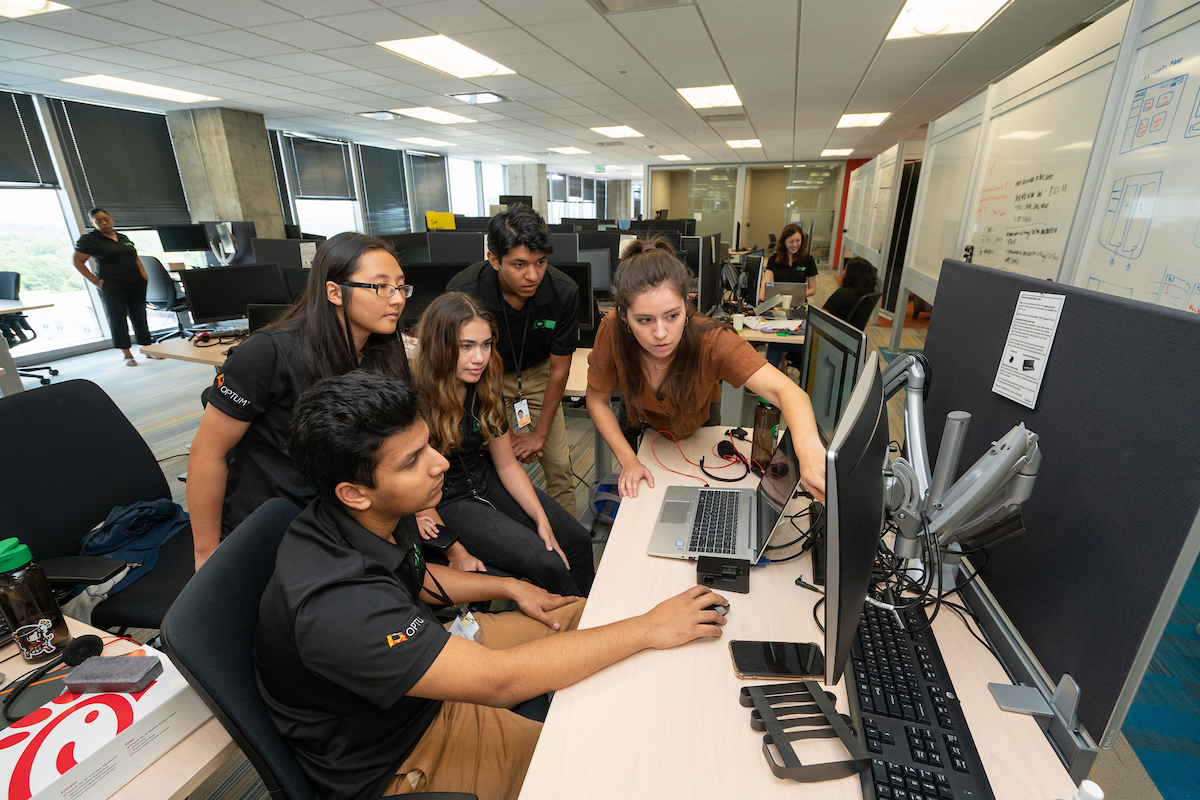
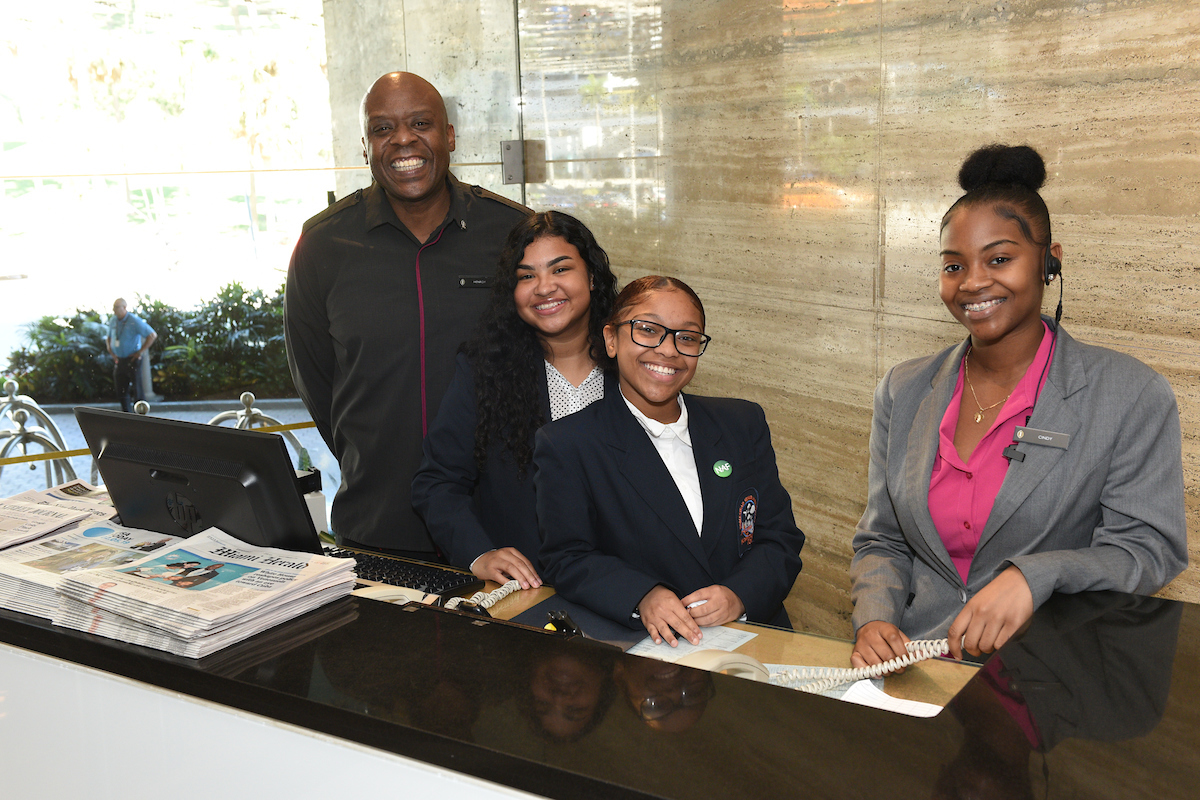
Engaging classroom experiences can be greatly increased by incorporating intentional work-based learning experiences for all students, a key component of the NAF career academy design. Work-based learning is an educational approach designed to help students connect classroom instruction to workplace expectations. When a student can connect a lesson to a future career that they envision for themselves, interest, engagement and passion follow.
As the U.S. works to close the skills gap and prepare the next generation for a rapidly changing workforce, education, industry, and government leaders have an opportunity — and a responsibility — to ensure that every student has access to engaging work-based learning experiences and career pathways in high school.
In fact, findings from NAF’s recently released 2026 Student Survey, which included a much larger sample, show that 74% of NAF students said their work-based learning experiences helped connect classroom learning to current industry practices, while 75% said those experiences helped them plan their career goals. More importantly, 78% reported building career skills through work-based learning experiences. Rather than asking students to imagine what a future career might look like, NAF career academies give students opportunities to experience it firsthand.
The impact of work-based learning extends beyond high school, as these experiences enable students to build social capital and connections that will carry them through post-secondary and early career stages. Through our student survey, 65% of NAF seniors report having at least three adults they can turn to for college or career advice, and 73% of students say they are comfortable reaching out to adults they met through their academy for career guidance.
Teachers are also critical to bringing these experiences to life. At a time when student engagement remains a challenge — the Voices of Gen Z study found that only half of middle and high school students report engaging with an energetic and excited teacher — NAF’s academy design gives educators opportunities to connect classroom learning to students’ interests, aspirations, and future careers. That connection matters: 74% of NAF seniors report feeling supported by their NAF teachers and other adults they have met through their academy experience. By helping students see the relevance of what they are learning and surrounding them with adults invested in their success, NAF academies can make learning feel more meaningful — and the future more tangible.
At a time when many young people remain uncertain about their future, findings from both the Voices of Gen Z study and NAF’s survey point to what can make a difference: academic learning connected to the real world, meaningful career experiences, and caring adults who help students see what’s possible.
Because helping the next generation build successful futures isn’t just about guiding them toward what comes next. It’s about giving them the experiences, skills, and confidence to step into it from day one.
For more insights and firsthand perspectives from students, explore NAF’s full student survey.