

Meet Three WBL Coordinators Connecting Students to Their Futures
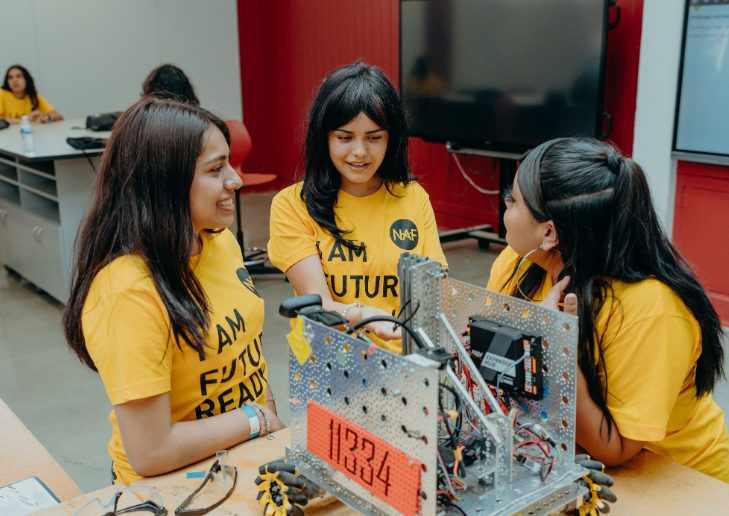
Developing a new partnership with a local company, planning job shadows, mock interviews, and other activities, coordinating internships, and tracking outcomes data…these are just a few of the many tasks Work-Based Learning (WBL) Coordinators tackle in any given day. They are often behind the scenes, but their work is extremely vital in providing students with WBL activities that help them identify careers of interest, build transferrable skills, and develop professional connections. When schools lack a dedicated staff member responsible for building employer relationships, coordinating work-based learning experiences, and ensuring every interested student can access them, students miss out on life-changing opportunities.
Very few states have formalized the WBL Coordinator role, with most leaving it up to districts or high school staff. This is despite the fact the U.S. Department of Education WBL Toolkit highlights the importance of WBL coordinator support, and a Britebound and Bellwether analysis found that “States need additional staff and tools to support students and businesses to navigate work-based learning programs and forge connections.”
NAF’s recent paper, “WBL Coordinators: An Essential Role for Students’ Career Preparedness & Success,” highlights multiple best practices from WBL Coordinators in the NAF Network and defined three policy recommendations with the goal of expanding WBL Coordinator positions in districts across the country.
As National Internship Awareness Month comes to a close, here are reflections from three WBL Coordinators, who share the breadth and depth of their roles and the impact they have on students:
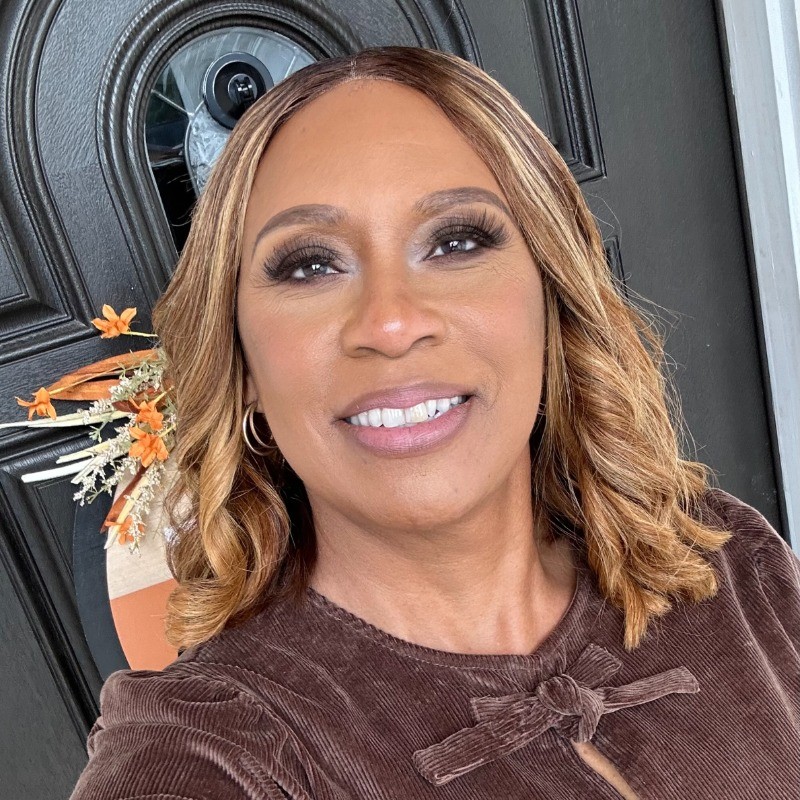
Carol Anderson, Magnet Site Coordinator, Scotlandville Magnet High School, East Baton Rouge, LA
Carol is an accomplished educational professional with over 25 years of experience dedicated to advancing student achievement and program excellence. As the Magnet Site Coordinator at Scotlandville Magnet High School, she leads the development, implementation, and continuous improvement of innovative magnet programs designed to expand opportunities and inspire academic success. Throughout her career, she has demonstrated a strong commitment to increasing access and opportunity in education, student engagement, and collaborative leadership. In her current role, she works closely with administrators, teachers, families, and community stakeholders to ensure magnet programs align with district goals. She also oversees student recruitment, program compliance, and strategic planning initiatives that strengthen the school’s academic offerings. Known for her professionalism, organization, and results-driven approach, she is passionate about creating pathways for student success and empowering young people to reach their full potential.
“A strong example of how WBL bridges the gap between classroom instruction and real-world experiences is at Scotlandville Magnet High School, where the work-based learning initiatives are embedded within the school’s NAF design. Through structured internships, industry partnerships, and career exploration activities, students in career pathways such as Engineering, Business, Information Technology, and Health Sciences are gaining exposure to real-world professional environments. Coordinated internship interviews, career mentorship opportunities, and partnerships with industry leaders offer Scotlandville students the chance to develop practical skills while strengthening their confidence and career readiness. These initiatives not only benefit students but also support teachers in connecting instruction to authentic workplace experiences and help the district cultivate a skilled, future-ready workforce.
My ultimate goal is to serve as the link between education and industry, ensuring students graduate not only with academic knowledge, but also with the experience, professional skills, and industry connections necessary to succeed in college, careers, and beyond.”
Emily Brown, Internship Coordinator, Milwaukee Public Schools
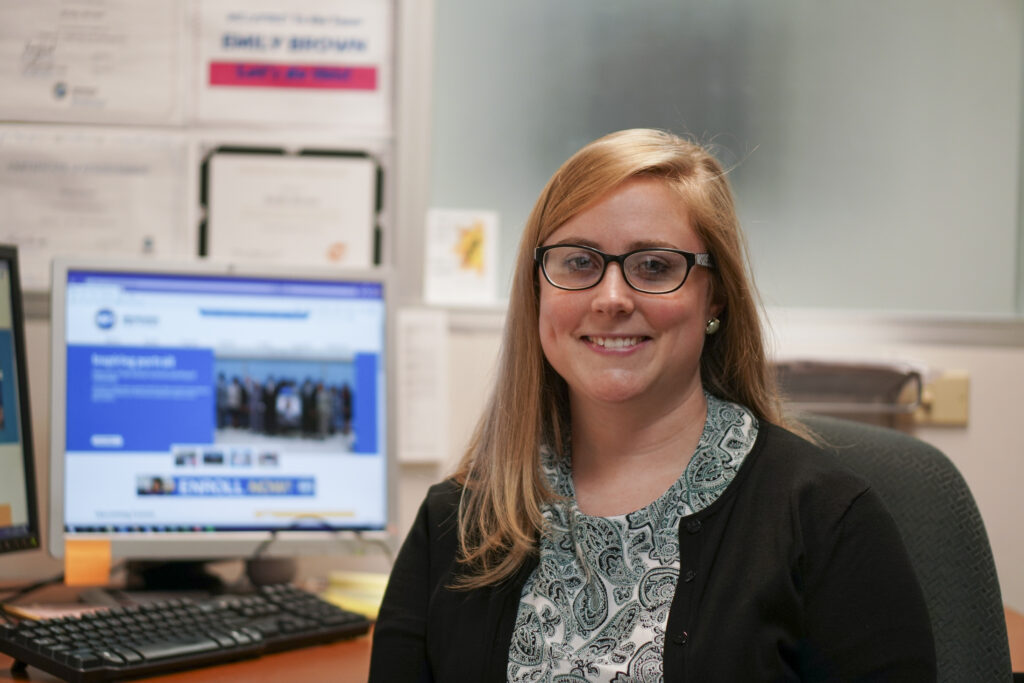
Emily leads districtwide efforts to connect students at 25 different high schools with meaningful work-based learning experiences that are grounded in comprehensive career readiness development. Her work is further strengthened through deep collaboration with Milwaukee’s NAF academies, where she acts as the district’s NAF Data Champion for nine high schools. In partnership with academy directors and the national NAF team, Emily monitors academy data, ensures assessment completion, identifies areas for program improvement, and helps establish best practices aligned to NAF’s national standards of practice. Through ongoing coaching, training, and resource development, she leads efforts to enhance quality, consistency, and availability of career-connected learning throughout the district.
“Work-Based Learning Coordinators change lives! They learn about a student’s hopes and dreams through career conversations, and then they support those hopes and dreams for each student. Coordinators find Work-Based Learning opportunities for students to test, to try, to experiment, to learn from, and most of all, for students to gain skills that will allow them to adapt, be flexible, communicate and become someone they are proud of. Work-Based Learning is the bridge between core content and real life.
Students in my district have discovered lifelong careers before they even graduate from high school. Our students have supported their parents, bought houses and cars, taken their families on vacations and set up retirement accounts all before the age of 20. At the same time, some of our students have tested what they thought was a dream career only to find that it was not right for them. These discoveries and successes are all thanks to Work-Based Learning Coordinators.”

Angela Lee Smith, Ed.S., Program Specialist, Academies of Birmingham
Angela has acted as the Program Specialist for Birmingham City Schools, NAF Career Academies since 2022. In this role, she oversees the Academy Programs of the seven high schools with twelve Academies, which includes providing direct coaching, administrative assistance, and professional development to the various programs supporting over 11,000 students in grades 9-12, 7 Academy Coordinators, and roughly 45 educators. Prior to the Project Specialist position, Angela acted as the Academy Coordinator of Hospitality and Tourism at Wenonah High School. This included scheduling, planning, and implementing the Hospitality Program – emphasizing both Career Technical Education and Academics with 160 students and 10 teachers. Angela is a certified counselor with over 35 years of experience and 25 of those years were with adolescents, teenagers and parents of Birmingham City Schools.
“Just as every school has a principal and a counselor, effective work-based learning requires a dedicated coordinator. WBL cannot be an ‘extra duty’ added to already full roles. A WBL Coordinator brings structure, compliance, and intentionality to employer partnerships, ensuring experiences are meaningful for students and manageable for schools. Work-based learning coordinators are the bridge between schools and the workforce. They translate classroom learning into real-world applications while ensuring employer partnerships are sustainable, aligned, and student-centered. This role is critical to maintaining trust with industry partners and delivering WBL experiences at scale.
Work-based learning does not happen by accident – it requires intentional design, coordination, and sustained support. A WBL Coordinator plays a critical role in ensuring students access high-quality, safe, and meaningful experiences, while aligning employer partnerships with academic and career goals. Without this leadership, WBL becomes inconsistent and fragmented; with it, WBL becomes a scalable and sustainable pathway to career readiness.
A dedicated Work-Based Learning Coordinator helps ensure that access to career experiences extends beyond the most well-connected students. They cultivate employer partnerships, prepare students for professional environments, and provide ongoing support that strengthens student success. When this role is absent, opportunity gaps widen; when it is place, students gain clarity, confidence, and real-world readiness.
Work-based learning requires more than a definition in policy. It requires dedicated leadership. WBL Coordinators are essential to delivering accessible, high-quality experiences that truly prepare students for life after high school.”
A Need for Expanding Funding for WBL Coordinator positions
NAF celebrates the many contributions made by WBL Coordinators and the phenomenal impact they have on students’ lives through the opportunities they create and implement. As Emily Brown noted, “Work-Based Learning Coordinators change lives!” and NAF advocates for the expansion of WBL Coordinator positions in school districts across the country. What can you do next? Contact your state and federal legislators about this issue (feel free to share NAF’s policy paper), attend school board or other district meetings and comment on the importance of this role and advocate for it if your district does not currently have WBL Coordinators, and explore other ways to elevate this issue. Allocating resources and supports for dedicated WBL Coordinators to build local partnerships, coordinate WBL opportunities, and track outcomes data will better position schools to set young people up for success during and after high school.